A beautiful patio can lose its appeal quickly when water pools at the steps, plantings struggle in the wrong soil, or the surrounding lawn is left without a plan for care. The right landscape design contractor looks beyond the finished photograph. They consider how your property drains, how you move through it, how it will look from the street, and how it will perform through Massachusetts heat, rain, leaves, and snow.
For homeowners and property managers across Greater Boston and the North Shore, landscaping is not one decision. It is a series of connected choices involving design, construction, materials, planting, maintenance, and seasonal service. Choosing one coordinated team can make those choices clearer and the finished property more cohesive.
What a Landscape Design Contractor Should Solve
A capable contractor should do more than install a patio or replace a few shrubs. They should help shape an outdoor space that fits the way you use your property. That may mean creating a welcoming front entry, building a backyard entertaining area, correcting a drainage problem, defining a safer walkway, or restoring a lawn that has never performed well.
The strongest projects balance visual refinement with practical function. A front walkway should complement the architecture of the home, but it also needs a stable base, proper pitch, and materials suited to New England weather. A retaining wall can add dimension and usable space, but it must be engineered around soil pressure, drainage, and grading. Plantings should provide color and texture, while still allowing room for mature growth and manageable upkeep.
This is why a contractor’s process matters as much as its portfolio. Attractive photos are a useful starting point, but they do not reveal what sits beneath the pavers, how runoff was directed, or whether the design remains easy to maintain after several seasons.
Begin With the Property You Have
Before discussing materials or styles, walk the property with clear priorities. Notice where water collects after rain, which paths people naturally take, where snow is piled in winter, and which areas receive full sun or deep shade. These details determine whether a design will endure or create another problem to solve later.
Address drainage before the finishing touches
Water management is often the hidden foundation of a successful landscape. On many North Shore properties, compacted soil, sloped yards, aging walkways, or roof runoff can send water toward the foundation, across a driveway, or into areas that never fully dry.
A thoughtful plan may include regrading, drainage solutions, permeable materials, properly pitched hardscape surfaces, or planting areas designed to manage runoff. The right approach depends on the property. A small puddle near a patio may be corrected with grading, while recurring water near a foundation requires closer evaluation and a more comprehensive solution.
It can be tempting to prioritize the visible features first. Yet a carefully designed patio built over unresolved drainage issues may require costly correction later. Ask potential contractors how they evaluate slope, runoff, and base preparation before construction begins.
Match the layout to daily life
The most memorable outdoor spaces feel natural to use. A patio should offer enough room for the furniture and circulation you actually need, not just enough space for a table in a photograph. A side-yard path should make it easier to bring bins, equipment, or groceries through the property. Fencing should create privacy and define boundaries without making the yard feel closed in.
Consider how the space works across the year. A well-placed walkway can make winter access safer. Landscape lighting can improve visibility at entries and along paths while extending the enjoyment of an outdoor area after sunset. Shrub beds should be designed so seasonal pruning and cleanup remain practical.
Look for a Coordinated Design and Construction Team
Some projects require separate professionals for design, hardscape installation, planting, and maintenance. That can work, especially for highly specialized or unusually large projects. For many residential and small commercial properties, however, coordinating multiple vendors can create gaps in communication and uncertainty over who is responsible for each detail.
A full-service landscape design contractor brings these elements together. The same team can evaluate the site, develop the design direction, build patios and walls, install lawns and plantings, add lighting or fencing, and provide the care that protects the investment afterward.
That continuity has practical value. If a new planting bed borders a paver patio, the grading, soil preparation, edging, and drainage should all support one another. If a property will receive recurring maintenance, the construction team can make choices that support long-term care rather than adding unnecessary complexity.
M&M Landscaping approaches outdoor properties with this connected perspective, combining landscape design and construction with seasonal maintenance and winter services. For clients who want one dependable provider, that means a property can be improved with purpose and cared for with the same attention after the project is complete.
Evaluate Workmanship Beyond the Surface
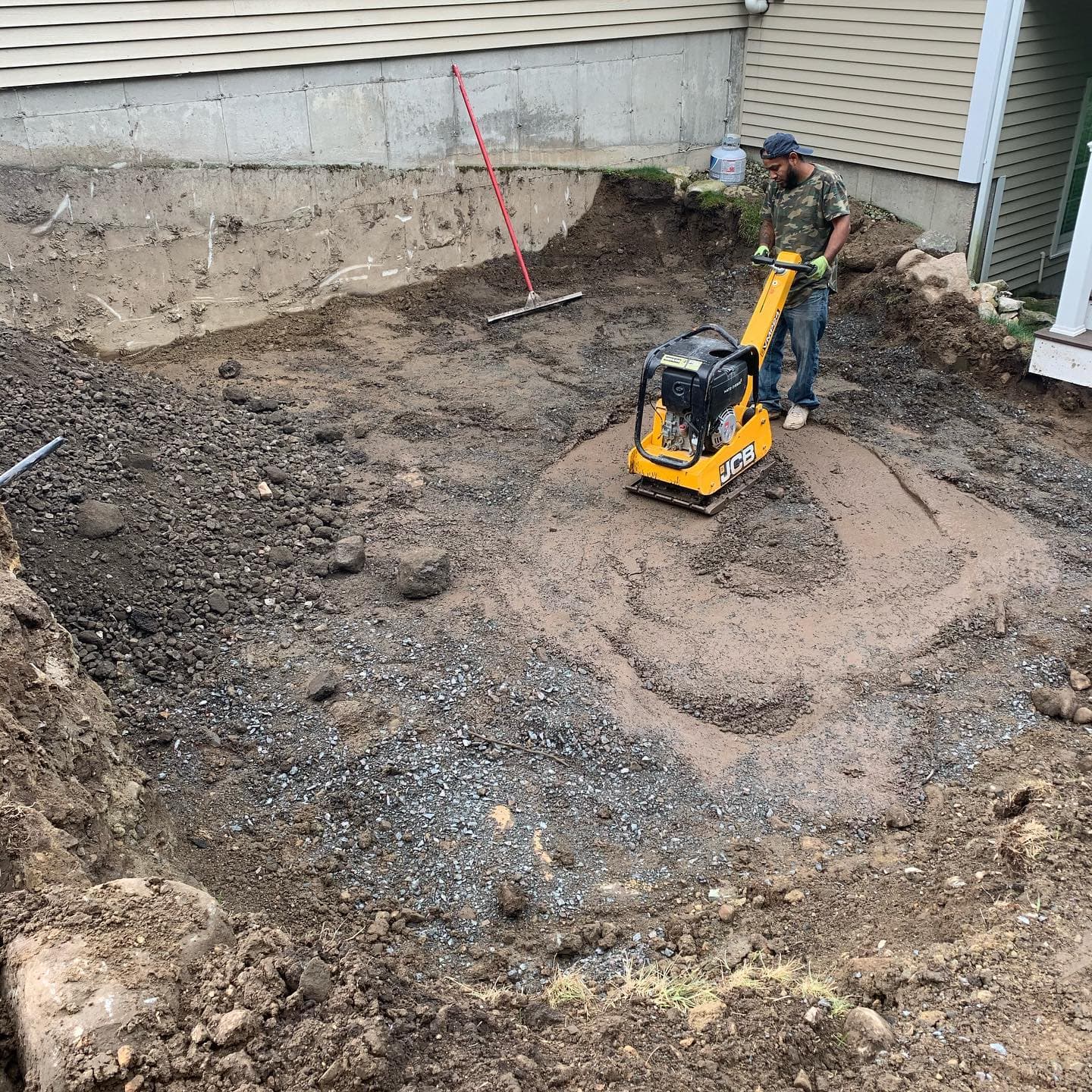
Hardscaping is built in layers. The visible paver, stone, or wall block matters, but lasting performance begins with excavation, base materials, compaction, edge restraint, grading, and drainage. These are the details that help a walkway stay level, a patio resist shifting, and a wall remain structurally sound through freeze-thaw cycles.
Ask a contractor to explain how they prepare the base for patios and walkways, how they manage water behind retaining walls, and how they determine the proper elevation near a home. A professional should be comfortable discussing these decisions plainly. Clear answers demonstrate care before work begins.
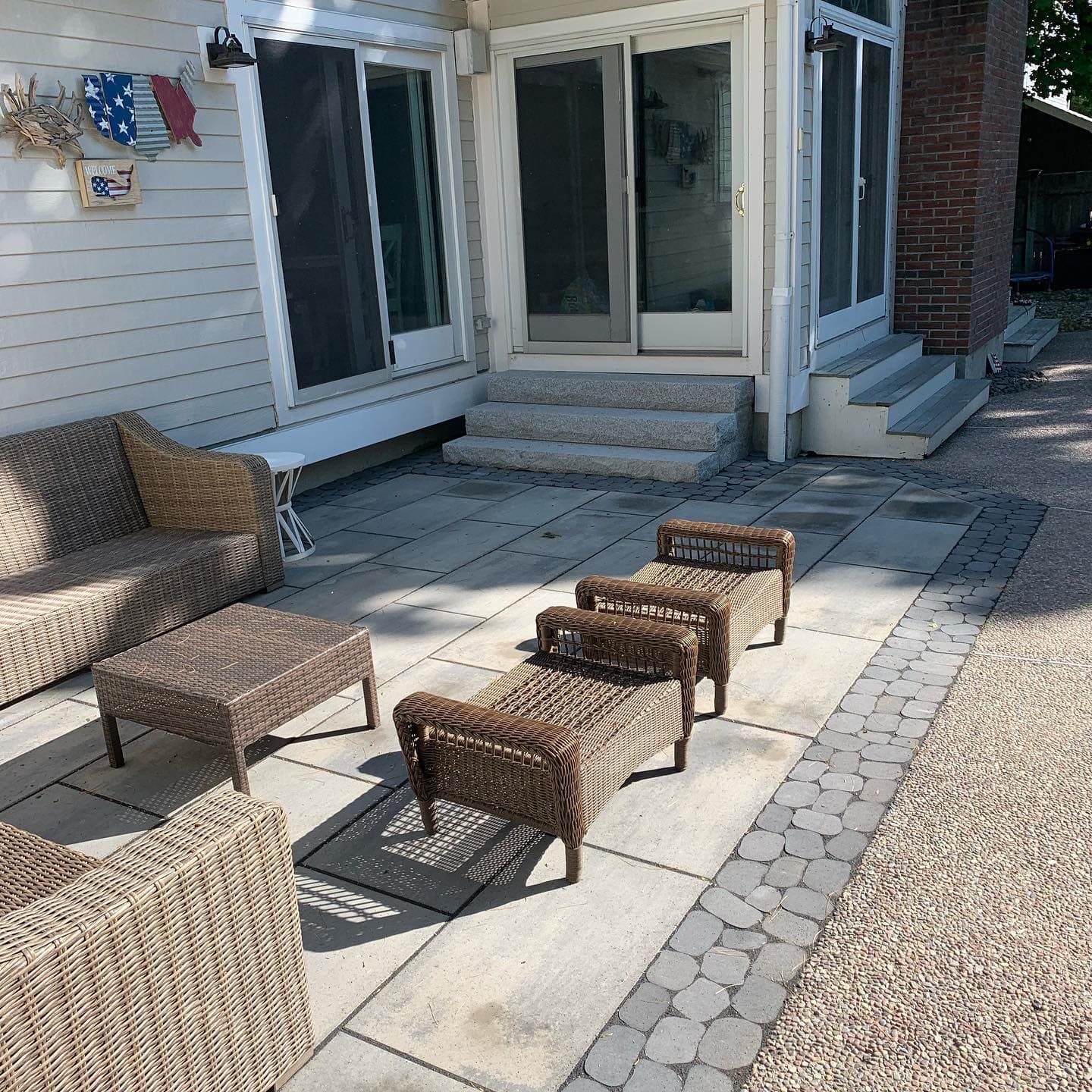
Material selection also deserves a conversation. Natural stone can provide a distinctive, timeless character, while pavers offer design flexibility and can be an excellent choice for patios, walkways, and driveways. The best material is not always the most expensive one. It is the one that fits the style of the property, expected use, budget, maintenance preferences, and site conditions.
For existing paver surfaces, sealing may help preserve appearance and make upkeep easier when it is appropriate for the material and installation. It should be viewed as part of a maintenance plan, not a substitute for correcting settling, drainage, or joint issues.
Plan for Plantings That Mature Well
A newly installed landscape can look full and polished on day one, but good planting design is measured over years. The right contractor will consider plant size at maturity, sun exposure, soil conditions, deer pressure, seasonal interest, and the amount of care you want to provide.
A formal front foundation planting may call for a different palette than a low-maintenance commercial entry or a backyard designed for privacy. Native and adaptive plant choices can support resilient landscapes, but there is no single plant list that works for every site. Shade, drainage, wind exposure, and homeowner preferences all shape the plan.
Ask how the contractor intends to layer trees, shrubs, perennials, and lawn areas. The goal is not to fill every inch of open ground. It is to create texture, color, and structure without crowding the property or creating a maintenance burden that does not fit your schedule.
Make Maintenance Part of the Investment
Landscape construction gives a property its new form. Maintenance protects that form. Regular lawn care, pruning, seasonal cleanups, mulch management, and disposal services keep outdoor spaces looking intentional rather than overgrown. For commercial properties and managed sites, consistent care also supports a professional first impression for tenants, visitors, and customers.
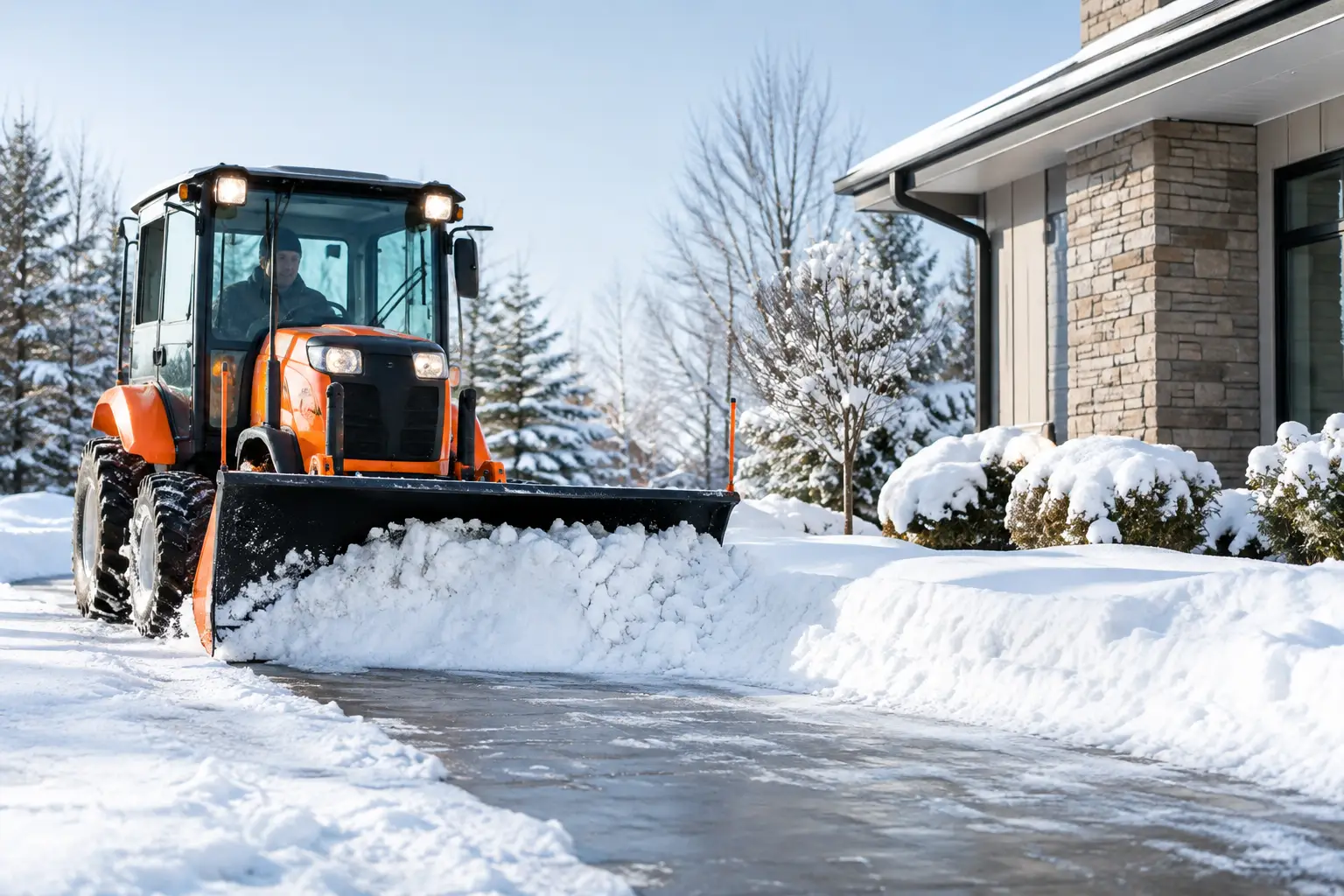
Winter planning belongs in the same conversation. Snow plowing and ice control affect access, safety, landscape edges, and hardscape surfaces. A team familiar with the property can identify priority walkways, storage areas, and sensitive features before the first storm arrives.
When comparing proposals, look beyond the initial installation cost. Consider the expected maintenance needs of the selected materials and plantings, as well as whether the contractor can provide reliable ongoing service. A lower upfront price may not be the better value if the design requires frequent repairs, replacement plants, or complicated care.
Questions Worth Asking Before You Hire
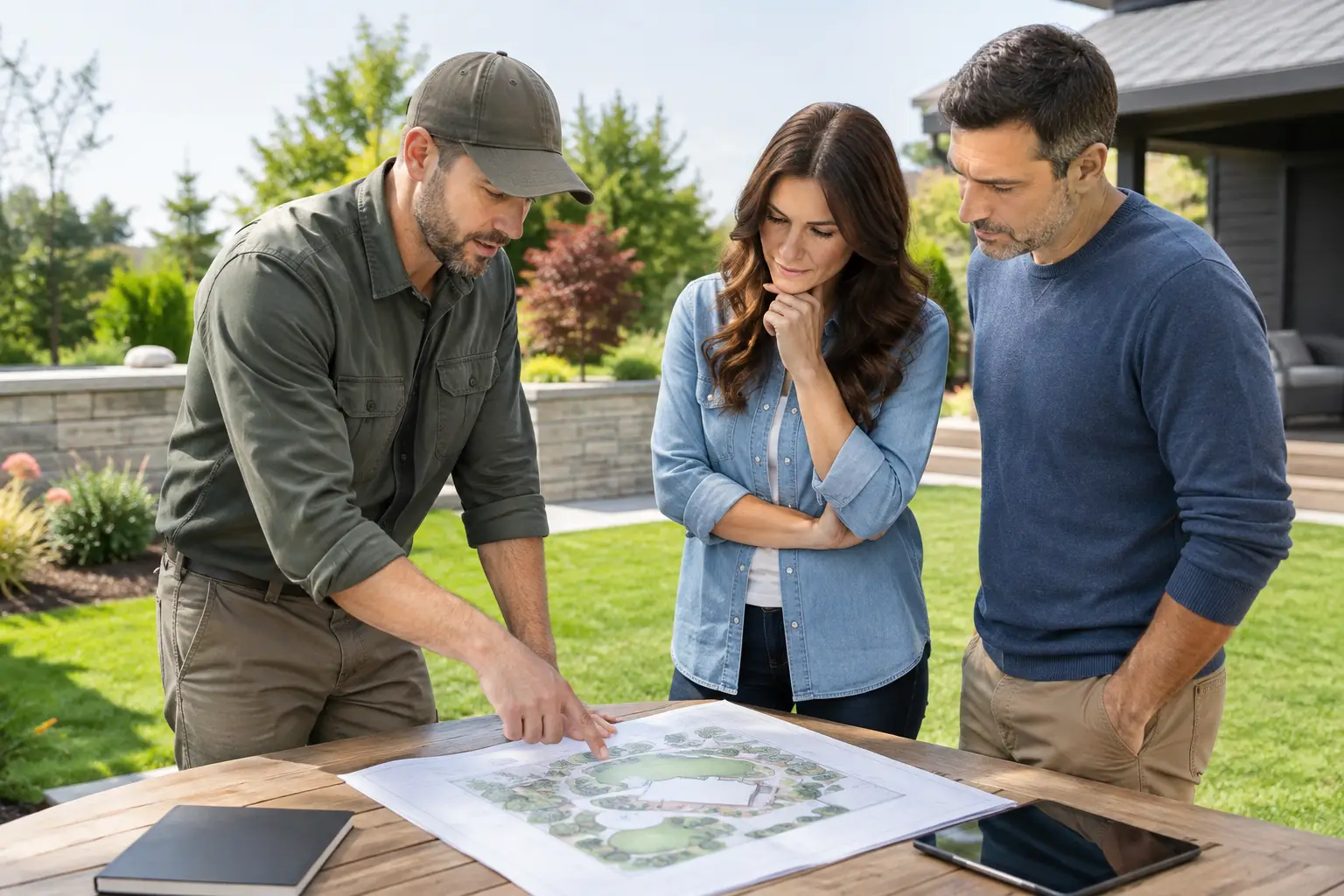
A productive consultation should leave you with a clearer picture of the project, not more uncertainty. Ask how the contractor will address drainage and grading, what is included in the scope of work, who will manage the project on site, and how changes will be handled if site conditions differ from expectations.
You should also ask to see examples of projects similar in scale and style to yours. A contractor experienced with elegant patios may also be skilled at planting and maintenance, but it is reasonable to confirm that their work aligns with your priorities. For property managers, ask about service schedules, communication procedures, and snow-response expectations.
The right partner will listen closely before offering solutions. They will be willing to explain trade-offs, recommend materials with a long view, and create a plan that respects both your vision and the realities of the site.
Your outdoor space should feel like a lasting extension of the property, not another item on the to-do list. Start with a free consultation, bring your priorities to the conversation, and choose a team prepared to build and care for the details that make the transformation endure.