
Essex, MA · the far edge of our map
On the Great Marsh. Built for tides, granite and big lots.
Essex is our farthest town, and one of the most distinct. About a fifth of it is salt marsh, the Causeway floods at high tide, granite shows through the fields, and new houses sit on some of the biggest lots on the North Shore.
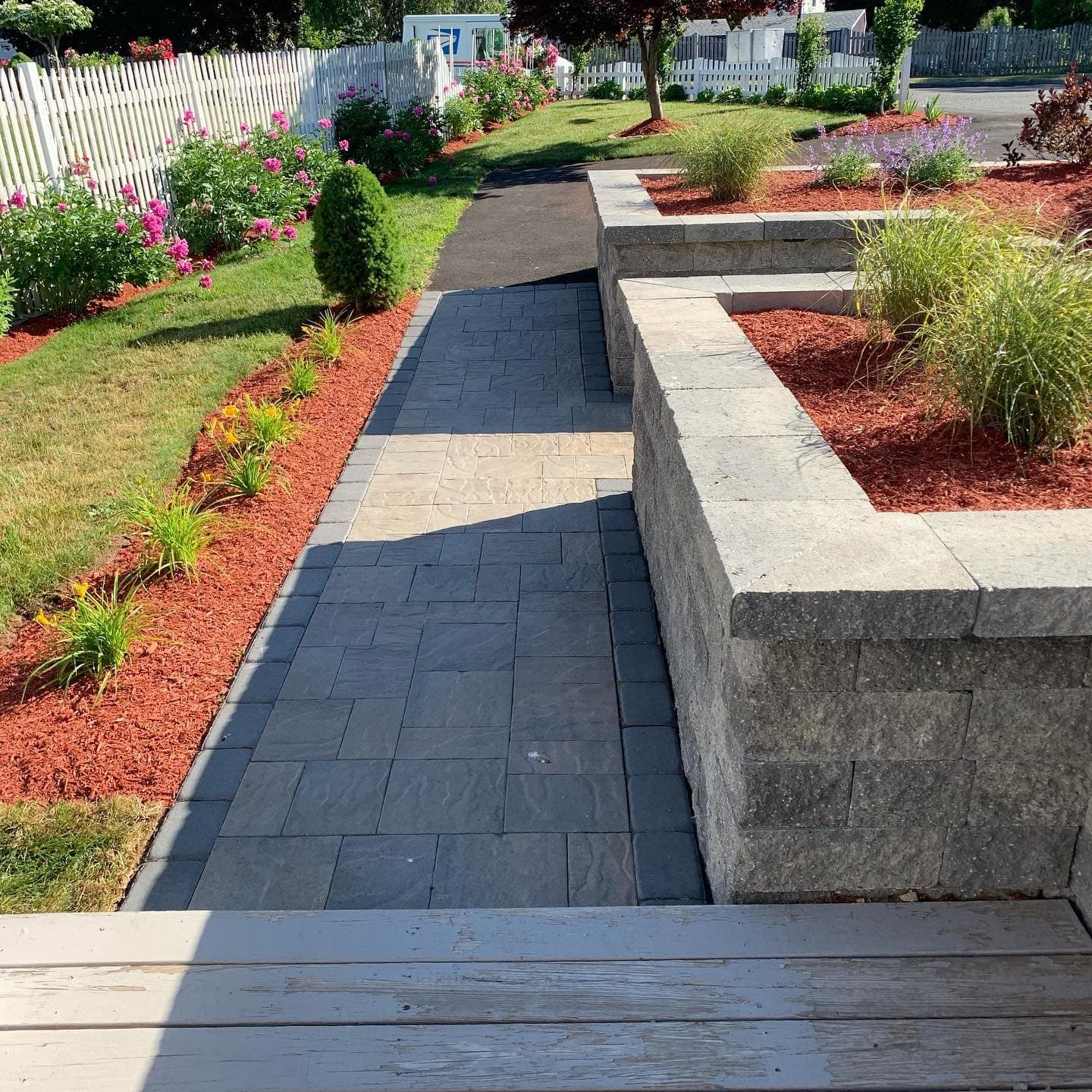
- Great Marsh
- About 22% of town
- Homes on private wells
- About one-third
- Local wetlands bylaw
- None (state act applies)
- Winter parking ban
- Dec 1 – Apr 1, overnight
Building in Essex
Three villages and a lot of marsh.
Essex grew from a fishing and shipbuilding village, surrounded by farms and woods, and has developed more slowly than its neighbors. It had three historic centers: the Falls, the Causeway village near the river mouth, and South Essex. Conomo Point is small shingled summer cottages on small lots. Newer houses sit on large lots, and farms and horse farms remain.
The Great Marsh, New England's largest continuous salt marsh, covers about 22% of the town. The Causeway on Route 133 floods in winter storms and at high tide, and in 2026 the town added a real-time tide gauge and flood sensor there.
Granite crops out across the fields, and drumlins rise out of the marsh. About a third of homes are on private wells, which the town notes could be at risk from saltwater in low-lying coastal areas.
Know before you build
Essex rules that affect yard projects.
Essex relies on the state wetlands act, but its own zoning and bylaws have a few specific rules.
State wetlands act only
Essex has no local wetlands bylaw, the Commission says. Work in and near wetlands, floodplains, banks, riverfront and beaches falls under the state Wetlands Protection Act.
Source: Essex Conservation Commission ↗Wetlands Overlay District
In the zoning Wetlands Overlay District, fill and buildings are banned, but lawns, gardens and fences are allowed as accessory uses.
Source: Essex Conservation Commission ↗Pool enclosures
Every pool needs an enclosure at least 4 feet high, at least 5 feet from the pool, with self-latching gates, and house doors into the pool area need an alarm. The rule applies to existing pools too.
Source: Essex Bylaws ↗Taking soil or stone off site
Removing loam, topsoil, gravel or stone from your property needs a Select Board and Planning Board permit, but excavation for driveways, walks and building is exempt.
Source: Essex Bylaws ↗
What we build here
Services in Essex.
Big Essex lots have room for a real patio. Fences and walls suit the farm properties.
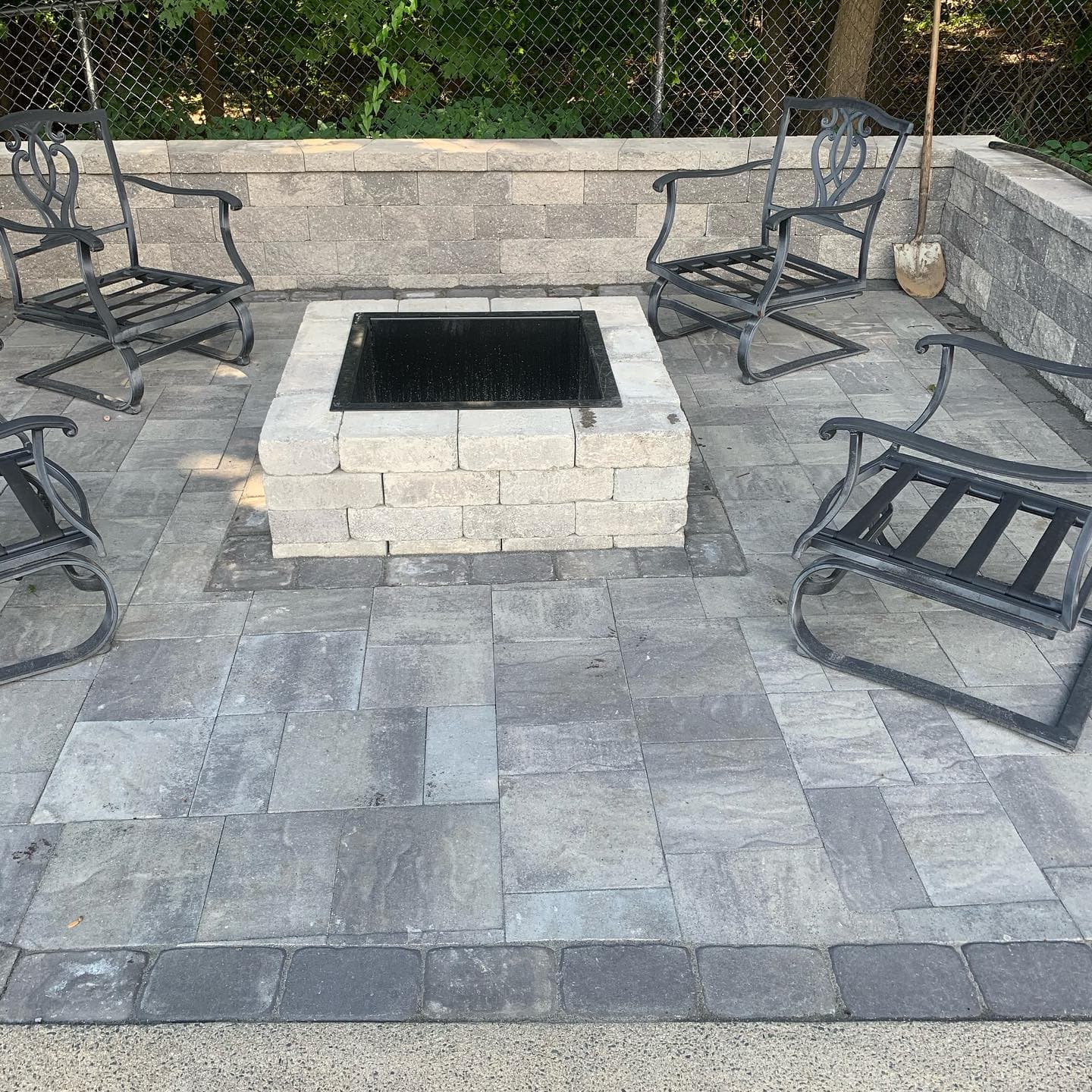
Across Essex.
From the Causeway to Conomo Point.
- Essex village / Causeway
- Essex Falls
- South Essex
- Conomo Point
- John Wise Avenue
- Chebacco Lake
Do you really come out to Essex?
Yes. It's the farthest town on our list, and we travel for the right project.
Is there a local wetlands bylaw in Essex?
No. The Conservation Commission works under the state Wetlands Protection Act.
What does a pool fence need in Essex?
At least 4 feet high, at least 5 feet from the pool, with self-latching gates, plus an alarm on house doors into the pool area.
Where the local information on this page comes from
- Essex Conservation Commission
- Essex Bylaws
- Essex Water Department
- Essex Municipal Vulnerability Preparedness report (2018)
- Essex Open Space Plan
- Essex tide gauge & Causeway flood sensor
- Essex Historical Commission
Rules change. Always confirm with the town before starting work. We check for every project.
Let's talk about your Essex project.
Estimates are free. We'll call you back to set up a time to see the property.